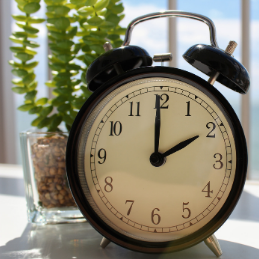
It’s that time of year again! On March 14th our clocks will jump forward an hour, leaving us losing an hour of sleep while gaining an extra hour of sunlight in the evenings. Most of us look forward to the spring and warmer weather, but not to losing the hour of sleep. For some, this is a tough adjustment mentally and physically. Even though the clock will say 7 a.m., your body will think it's 6 a.m. This can leave you feeling groggy for several days, especially in the morning. It's important to stay consistent with sleep patterns during the change to better adjust. Here are our tips:
Get to bed earlier.
You can ease your body into the time change by starting your nighttime routine 15 minutes earlier in the days leading up to the start of daylight saving time. Then, turn your clocks forward Saturday morning instead of Sunday morning. Live your day based on that schedule. Allowing two days, rather than a single day before the start of the week can ease your body's transition to the time change.
Be consistent.
Wake up at the same time each morning to keep your sleep cycle more regular. Even on weekends! Although sleeping in can help you feel more rested in the short-term, it causes difficulties falling asleep and waking up during the week. In fact, getting out of bed at the same time every morning is the single best way to improve sleep and wake functioning. On the first Sunday of daylight savings time, get up at your regular time whether you had a good night's sleep or not. And avoid taking a nap if it’s not part of your typical routine.
Enjoy the longer evenings.
One great perk about "springing forward" is that there is more sunlight in the evenings. Enjoy that natural sunlight that we've missed all winter! Spend some time outside in the evenings. Get out for a walk, or simply enjoy a good book on your front porch. Sunlight helps naturally reset your body clock. Letting natural light come into your bedroom in the morning is also good for you.
Exercise.
You know this is always on our list of tips for betting living! We all know exercising and staying active is good for your health and it can help you sleep better, too. Go for a walk or run outdoors during daylight where you are exposed to natural sunlight.
Reduce screen time.
T.V., tablets, and phones may help you unwind for the evening, but they can stimulate your brain and make it harder to fall asleep. Grab a good book or crossword puzzle before bed and avoid screens at least two hours before bed.
Follow these tips to help you get through daylight savings without missing a beat!