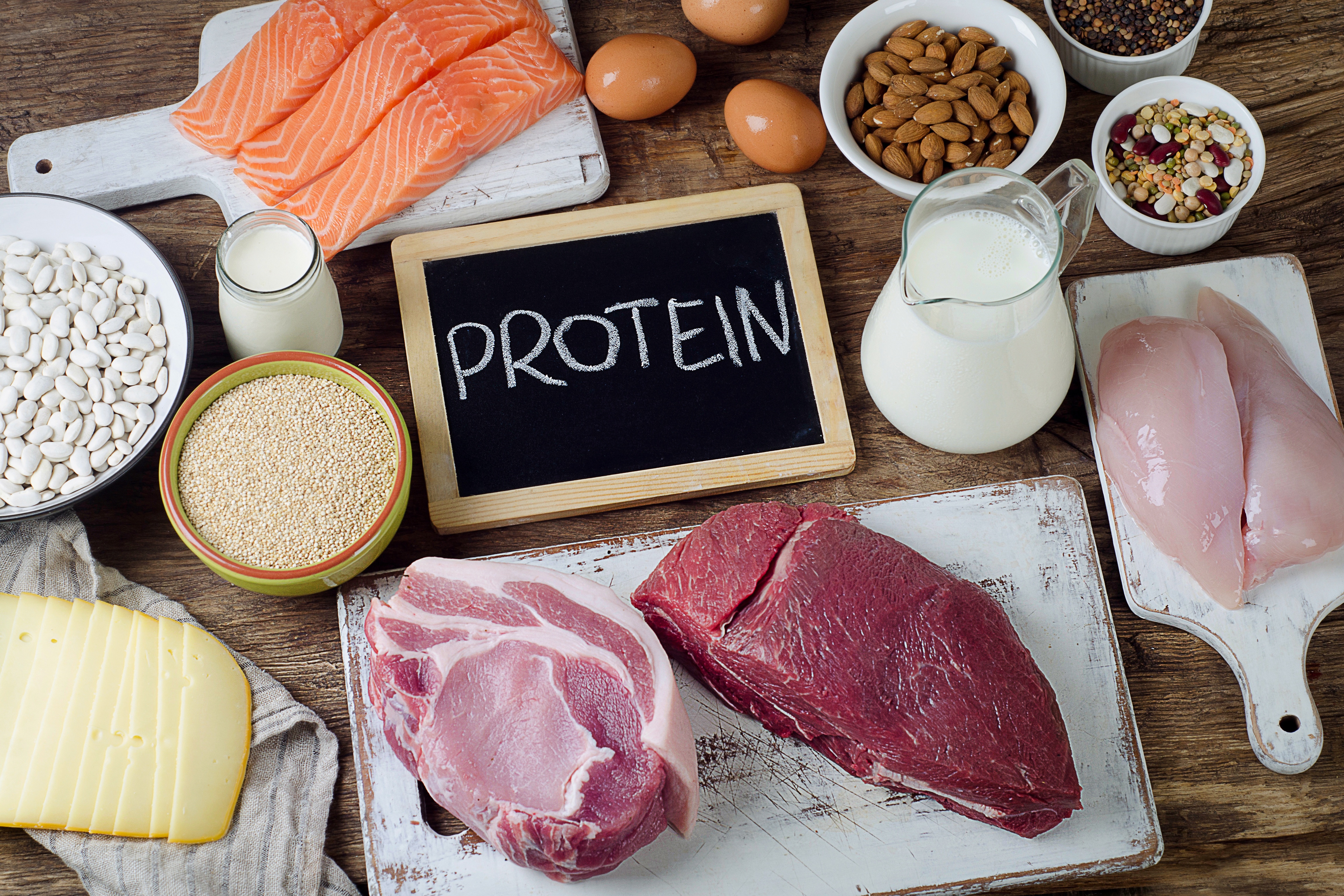
Many of us do not consume enough protein in our daily diet. Often, individuals overestimate their protein intake while underestimating carbohydrate consumption. Hard to believe, right? Let's answer an important question: “Am I eating enough protein?”
What is Protein?
Understanding protein starts with recognizing its fundamental role in the body. Protein is a macronutrient that is essential for building muscle mass. It is commonly found in animal products but is also present in nuts and legumes. While the benefits of protein are well known among dedicated gym-goers, it is equally important for individuals who simply want to lose weight or tone their bodies. When protein is broken down in the body, it helps to fuel muscle mass, which in turn supports metabolism. This means that consuming adequate protein can enhance metabolic rate, leading to increased calorie burn even at rest. Simply put, eating more protein can contribute to a more efficient metabolism and greater caloric expenditure.
What is Enough?
Protein intake should be based on individual goals. Most individuals should aim to consume about 1 gram of protein per pound of lean body mass, distributed over 5 to 6 meals per day. For those unsure of their lean body mass, The Edge Fitness Clubs offers an InBody Scan that provides precise measurements.
For example, if an individual weighs 150 pounds with 30% body fat, their lean mass would be 105 pounds. This means they should consume approximately 21 grams of protein per meal, five times a day. While this may seem like a large amount, it is more manageable than it appears. Examples of 20 grams of protein include:
For individuals with goals focused on accelerated muscle growth, protein intake should be increased accordingly.
Am I Eating Enough?
The first step in determining adequate protein intake is establishing a clear fitness goal. Without a specific goal, following the Recommended Dietary Allowance (RDA) guidelines may be the best approach. However, many people are not consuming enough protein to meet their needs. Keeping a detailed food log, whether through an app or traditional pen and paper, can help track daily intake.
Once a full day of food consumption is documented, analyzing protein sources is the next step. For instance, how much protein is actually in those two tablespoons of peanut butter? What about the cheeseburger consumed for lunch? Additionally, the method of preparation (boiled, baked, grilled, or broiled) affects the nutritional value of the protein source. After compiling this information, determining lean body mass and dividing that number by the number of daily meals will help establish appropriate protein intake. Using the earlier example, an individual with 105 pounds of lean body mass eating five meals a day should aim for approximately 21 grams of protein per meal.
Making Protein Intake Manageable
Several factors influence protein consumption, including lifestyle, work commitments, and family responsibilities. Since it may not always be realistic to prepare well-balanced meals throughout the day, protein shakes serve as a quick and effective alternative to ensure sufficient protein intake.
Macronutrients play a crucial role in overall health and fitness, and maintaining a well-balanced diet is key to reaching The Edge in life! Have questions about your protein intake? Ask one of our certified Personal Trainers.